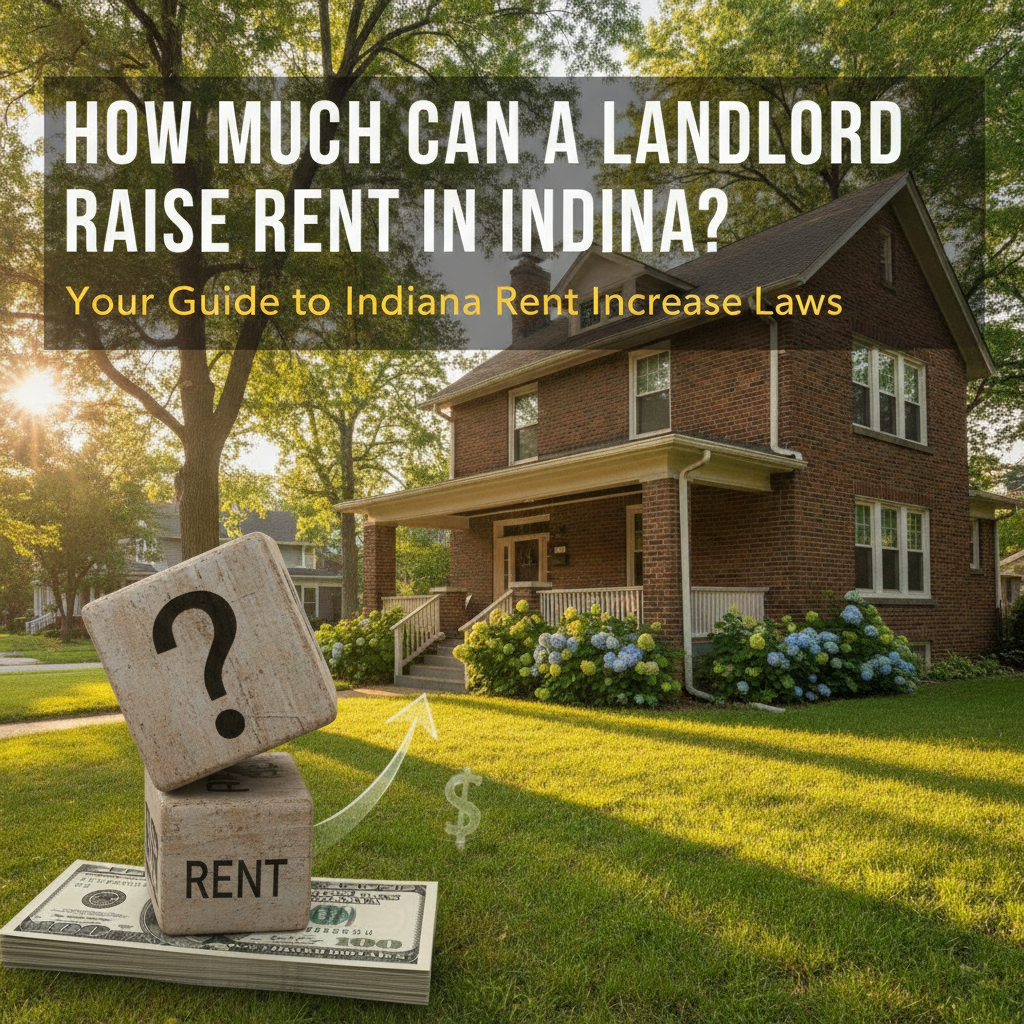
How Much Can a Landlord Raise Rent in Indiana: 5-Step Guide 2025
In Indiana, landlords can raise rent by any amount with no statutory cap or percentage limit. According to Indiana Code and state law, there are no rent control policies restricting rental rate adjustments. Indiana landlords must follow proper notice requirements and lease agreement terms when implementing rent increases.
Before You Begin: Prerequisites
- Have your current lease agreement or rental agreement accessible
- Know your lease type: fixed-term lease or month-to-month lease
- Understand your rights under Indiana Landlord Tenant Law
- Verify written notice requirements for your rental property
- Research fair market rent in Indianapolis, Fort Wayne, Evansville, or South Bend
- Difficulty Level: Beginner
- Timeframe: 30-60 days to address a rent increase
Step 1: Understand Indiana Rent Increase Laws and Regulations
Indiana has no rent stabilization or rent control laws limiting how much a landlord can raise rent. The Indiana Real Estate Commission and Department of Housing and Urban Development (HUD) confirm that property owners in Indiana can implement unlimited rent increases. Unlike states with rent increase caps, Indiana landlords determine rental rate hikes based on market conditions.
The Indiana Apartment Association reports that Indiana rental laws provide landlords significant flexibility in setting rental pricing. This applies to residential property across all Indiana cities, including college town rent increase scenarios and student housing rent increase situations. The Fair Housing Act protects against discriminatory pricing but does not limit rent increase amounts.
According to Indiana housing laws, landlords must follow residential tenancy requirements for proper notification. While the rent increase amount is unlimited, the process must comply with lawful rent increases procedures outlined in Indiana tenant protections statutes.
Step 2: Review Your Lease Agreement Type
Your lease type determines when and how a landlord can raise rent in Indiana:
Fixed-Term Lease Rent Increases
During an active fixed lease term, landlords cannot raise rent mid-lease unless the rental agreement includes a rent escalation clause. Indiana law on rent increases for month to month leases differs significantly from fixed lease terms. The lease agreement provisions must explicitly state if annual rental adjustments are permitted during the lease period.
When your fixed-term lease expires, the property owner can propose any rent adjustment for lease renewal terms. There is no maximum legal rent increase Indiana residential properties must follow at lease renewal. The end of lease rent increase notification must follow proper advance rent notice requirements.
Month-to-Month Tenancy Rent Changes
For month-to-month rental increase limits, Indiana landlord tenant statutes require proper notice but impose no percentage increase restrictions. Indiana month-to-month rental increase limits are determined by market-based rent increase factors and landlord pricing strategies rather than statutory caps.
Step 3: Determine Required Notice Period for Rent Increase
Indiana notice requirements rent increase protocols depend on your tenancy type:
| Lease Type | Notice Period Required | Notice Format |
|---|---|---|
| Month-to-Month Lease | 30 days minimum | Written notice required |
| Fixed-Term Lease | Before lease expiration | Written rent notice |
| Week-to-Week Tenancy | 7 days minimum | Written notification |
How much advance notice for rent increase Indiana landlords must provide is 30 days for most residential tenancy situations. The 30 day rent notice allows tenants to budget or seek alternative housing. Some local ordinances in Indianapolis or Fort Wayne may specify additional tenant notification rent procedures, though city regulations rarely impose stricter requirements than state law.
Landlord notification requirements mandate written rent notice delivery. Can landlord raise rent without notice in Indiana? No. According to Indiana property laws, verbal notifications do not satisfy legal rent increase notification standards. The price increase notice must state the new rental amount, effective date, and payment terms.
Step 4: Calculate If the Rent Increase Is Market-Based and Reasonable
While Indiana has no maximum rent raise limits, evaluating if the increase is reasonable involves:
- Research fair market rent in your Indiana rental market through housing authority data
- Compare rental cost increase to similar rental units in your neighborhood
- Analyze annual rent increase trends (typical range: 3-8% in stable markets)
- Consider Indianapolis rent increase regulations or local market conditions
- Evaluate property management justifications for rent hike amounts
What is a reasonable rent increase in Indiana? Market data from 2024-2025 shows Indiana apartment rent increase percentage typically ranges from 3% to 10% annually in major cities. However, landlord raising rent excessively beyond market rate may indicate rent pricing strategies disconnected from housing affordability concerns.
Property rental rules allow landlords to justify rent boost amounts based on property improvements, increased property taxes, or market rate adjustments. Understanding rent increase laws Indiana provides context for evaluating whether your landlord’s proposed increase aligns with state-level protections and rental housing regulations.
Step 5: Respond to the Rent Increase Notification
After receiving a rent raise legality-compliant notice, tenants have several options:
Accept the Rent Increase
If the rental rate hike aligns with market conditions and your budget, accepting maintains your tenancy. Sign any lease renewal documents and adjust your rent payment terms accordingly.
Negotiate with Your Property Owner
Indiana tenant rights regarding rent increases include the right to rent negotiation. Request a meeting with your property manager to discuss:
- Gradual implementation of the rental price increase
- Lease agreement modifications to lock in rates longer
- Property improvements justifying the rent adjustment
Decline and Provide Move-Out Notice
If the rent increase is unaffordable, provide proper notice per your lease termination rules. Indiana law requires 30 days notice for month-to-month leases before vacating the rental unit.
Troubleshooting: Common Rent Increase Issues
If Your Landlord Raises Rent Mid-Lease
Can a landlord raise rent during a lease in Indiana? Not without a lease modification clause. Review your lease agreement provisions. If no rent escalation clause exists, the mid-lease rent increase violates Indiana rental agreement terms. Contact the Indiana housing authority or seek legal advice regarding lease price adjustment violations.
If You Receive Insufficient Notice
Indiana landlord raising rent excessively fast without proper notice violates landlord obligations Indiana statutes. The rent increase frequency and notice period for rent increase must comply with written notice requirements. Document the violation and inform your landlord they must provide compliant 30-day advance rent notice.
If the Increase Seems Discriminatory
The Fair Housing Act protects against rent increases targeting protected classes. If you believe discrimination occurred, file a complaint with HUD or contact Indiana tenant protection organizations for guidance on challenging unfair rent increase Indiana practices.
If Facing Excessive Rent Increases
What can tenants do about rent increases in Indiana? While no maximum allowable rent increase Indiana cap exists, tenants can:
- Document rental amount changes and market comparisons
- Negotiate payment plans for gradual yearly rent increase implementation
- Seek affordable housing resources through local housing authorities
- Consider relocating to rental properties with better rental property rights
Next Steps: Tenant Resources and Protections
Understanding tenant lease protections in Indiana empowers renters to respond appropriately to rental increase percentage proposals. The Indiana Apartment Association provides resources on landlord tenant statutes and fair rental practices.
Research Indiana housing code requirements for your rental housing situation. Whether facing an Indianapolis rent increase, Fort Wayne Indiana rent increase, South Bend rent increase rules, or Evansville Indiana landlord rent raise scenario, knowing state-level regulations is essential.
Consider consulting property rental guidelines from local housing authorities or tenant advocacy organizations. While Indiana lacks rent adjustment policies limiting increases, tenant obligations Indiana laws ensure proper procedures are followed.
For month-to-month tenancy or fixed-term lease situations, understanding how often can a landlord raise rent in Indiana (typically once per lease term or annually for month-to-month) helps with long-term budgeting and housing stability.