How to Winterize a Rental Property in Indianapolis: 7-Step Guide (2026)
To winterize a rental property in Indianapolis, complete seven steps before the first hard freeze: service the furnace, seal air leaks, insulate pipes, clean gutters and check the roof, test smoke and CO detectors, update tenants in writing, and line up snow removal. Most landlords can finish in one weekend (6–8 hours).
These are the same seven categories property managers use for seasonal turnover inspections. Completing them lowers frozen pipe risk, cuts heating costs, and keeps tenants safe through Indiana’s winter.
What Do You Need Before You Start?

Gather your tools, supplies, and contractor contacts first, and plan to finish between October 1 and November 15, before Indianapolis weather turns severe.
- Flashlight and ladder for attic and roof checks
- Weatherstripping and caulk for sealing air leaks
- Pipe insulation sleeves for exposed plumbing
- Replacement HVAC filters (check the furnace’s filter size first)
- New batteries for smoke and carbon monoxide detectors
- A copy of the lease to review tenant responsibilities
- Contacts for licensed HVAC and roofing contractors
- A smartphone or camera to document the property’s pre-winter condition
Skill level: Beginner to intermediate (HVAC and roof work may need a professional)
Time: 6–8 hours over 1–2 days
Best window: October 1 – November 15
Vacant units need an extra 1–2 hours to winterize plumbing that won’t be used, such as draining the water heater.
Step 1: Schedule an HVAC and Furnace Inspection
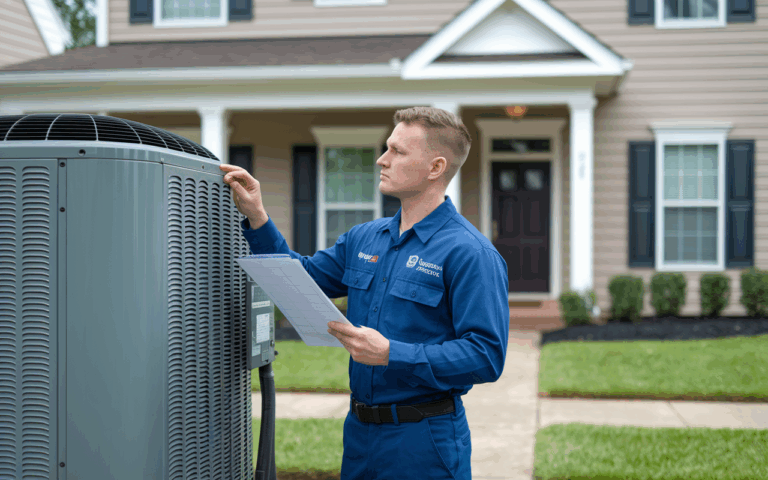
A professional furnace tune-up before winter prevents mid-season breakdowns and keeps heating costs down. In Indianapolis, a tune-up typically costs $90–$150 and takes 45–60 minutes.
Furnace Maintenance Checklist
- Replace furnace filters every 60–90 days during heating season. The U.S. Department of Energy says replacing a dirty filter can lower energy use by 5–15%.
- Test the thermostat for accurate readings.
- Have the technician inspect burners and the pilot light or electronic ignition.
- Check ductwork for leaks that waste heat.
- Confirm carbon monoxide levels are within the manufacturer’s safety limits.
- Note the furnace’s age. Units older than 15–20 years fail more often and may need a replacement plan.
How often should landlords service furnaces? At least once a year before winter. For rentals with high tenant turnover, add a mid-season check. A $90–$150 tune-up is far cheaper than emergency after-hours repairs, which can exceed $500.
Step 2: Seal Air Leaks and Add Weatherstripping
Sealing air leaks is the fastest, cheapest way to improve a rental’s energy efficiency. Weatherstripping typically costs under $50 per unit and takes less than an hour to install.
How to Seal and Insulate a Rental for Winter
- Weatherstrip all exterior doors and windows.
- Caulk gaps around pipes, vents, and electrical outlets on exterior walls.
- Add storm windows or energy-efficient windows where the budget allows.
- Bring attic insulation up to R-49 to R-60, the U.S. Department of Energy’s recommendation for Indiana’s climate.
- Check door sweeps. Gaps larger than 1/4 inch let in significant cold air.
- Inspect dryer vents and bathroom fan flaps, which often stick open and let cold air in.
Quick test: On a windy day, hold a lit incense stick near window and door frames. If the smoke flickers or bends, there’s a leak to seal.
For multi-unit buildings, it often makes sense to hire licensed contractors to winterize rental property Indianapolis landlords own, since they can run blower-door tests to find hidden leaks.
Step 3: Prevent Frozen Pipes
Insulate exposed pipes, drain outdoor lines, and keep the heat at 55°F or higher. Indianapolis winters regularly drop below 20°F, and a single burst pipe can cause $5,000 or more in water damage, according to the Insurance Institute for Business & Home Safety.
How to Prevent Frozen Pipes in a Rental
- Wrap exposed pipes in unheated areas (basements, crawl spaces, garages) with foam pipe insulation.
- Disconnect and drain garden hoses.
- Cover outdoor faucets (hose bibs) with foam covers, which cost $3–$5 each.
- Tell tenants to keep the thermostat at 55°F or higher, even when they’re away.
- Seal foundation cracks that let cold air reach plumbing lines.
- Install heat tape on the most exposed pipes in properties with a history of freezing.
Pipes along exterior walls, in crawl spaces, and in unheated garages are most at risk. A $20 insulation sleeve now can prevent a repair bill in the thousands once drywall, flooring, and plumbing are replaced.
Step 4: Clean Gutters, Inspect the Roof, and Prevent Ice Dams
Clear gutters, fix damaged shingles, and make sure the attic is well insulated and ventilated. Ice dams form when attic heat melts snow on the roof, which then refreezes at the eaves and forces water under the shingles.
How to Prevent Ice Dams on a Rental Roof
- Clean gutters of leaves and debris before the first frost (hire a pro for multi-story properties).
- Inspect the roof for missing or damaged shingles.
- Check that attic insulation and ventilation are adequate and evenly distributed.
- Install gutter guards to reduce future buildup.
- Trim tree branches that drop debris into gutters or scrape the roof.
- Make sure downspouts carry water at least 5 feet from the foundation to prevent basement flooding during thaws.
Repeated ice dams usually point to uneven attic temperatures, caused by gaps in insulation or blocked ventilation baffles. A roofing contractor can diagnose this with an attic walkthrough, typically $100–$200.
Step 5: Test Smoke and Carbon Monoxide Detectors
Test every smoke and CO detector, replace old batteries and units, and document the results. Indiana law requires working smoke detectors in every rental unit, and CO risk rises in winter as furnaces, water heaters, and space heaters run more often.
Detector Checklist
- Test all smoke and CO detectors, and remind tenants to test them monthly.
- Replace batteries at least once a year, even if detectors appear active.
- Make sure CO detectors are installed near sleeping areas and near the furnace and water heater.
- Replace any detector older than 10 years, since sensors lose sensitivity over time.
- Record test dates for your inspection records.
- Give tenants written instructions on what to do if a CO alarm sounds: leave the unit immediately and call 911.
Treat detector testing as a required winterization step, not an optional add-on.
Step 6: Review the Lease and Update Tenants
Send tenants a written winter notice and confirm who handles snow removal, filters, and emergencies. Clear expectations reduce maintenance calls and liability disputes.
What to Cover With Tenants
- Snow and ice removal duties (landlord vs. tenant), as stated in the lease.
- A clear timeline for clearing walkways and driveways (many leases use 24 hours after snowfall).
- Thermostat settings and pipe care tips.
- Emergency contact numbers for after-hours heating or plumbing problems.
- Who replaces furnace filters during the heating season.
- Space heater safety. Heating equipment is a leading cause of home fires in winter.
Send a short winter preparedness letter or email each October, before the first cold snap. It sets expectations early and cuts down on emergency calls once temperatures drop.
Step 7: Arrange Snow and Ice Removal
Book a snow removal contractor before the first snowfall and keep ice melt on-site. Cleared, well-lit walkways protect tenants and reduce slip-and-fall liability.
- Hire a snow removal contractor before the season starts, not during the first storm.
- Ask about seasonal contracts, which are often cheaper per visit than per-event pricing.
- Keep ice melt on-site for tenants or maintenance staff.
- Check exterior lighting so walkways stay visible during early evening darkness.
- Photograph cleared walkways after each snow event to document compliance.
- For vacant units, schedule inspection visits at least every two weeks through winter.
Troubleshooting Common Winterization Problems
| Problem | Solution |
|---|---|
| Pipes still freeze despite insulation | Open cabinet doors under sinks so warm air reaches the pipes, and let faucets drip during extreme cold. |
| Furnace won’t ignite | Check the thermostat, filter, and gas supply, then call an HVAC technician. |
| Ice dams keep forming | Improve attic ventilation and add insulation. |
| Tenant reports no heat | Send an HVAC technician as soon as possible. Indiana law requires landlords to keep heating systems in working order. |
| Gutters overflow during a thaw | Schedule gutter cleaning to clear ice and debris blockages. |
| CO detector alarms with no obvious cause | Have everyone leave the unit, call 911 or the gas utility, and have a licensed technician inspect furnace and water heater venting. |
| Tenant disputes snow removal duty | Point to the specific lease clause and send them a copy within 24 hours. |
| A pipe bursts | Shut off the main water valve immediately, then call a licensed plumber. |
What Should Landlords Do After the First Freeze?
Keep up a simple preventive maintenance routine through spring. Winterization doesn’t end when the first freeze hits.
- Check HVAC filters monthly through March.
- Inspect vacant units mid-winter.
- Schedule a spring roof inspection to catch ice dam damage.
- Track utility bills month to month; sudden spikes can signal a hidden air leak or failing furnace part.
- Keep a dated maintenance log for each property for insurance claims and resale disclosures.
- Review the lease’s winter clauses once a year.
Landlords with several properties often hire a property management company to handle seasonal maintenance, tenant communication, and emergency repairs. Managers usually bundle HVAC, gutter, and snow removal contracts across their portfolio, which can lower per-unit costs.
Frequently Asked Questions
What do landlords need to do before winter in Indianapolis?
Service the furnace, insulate exposed pipes, clean gutters, and confirm that every smoke and carbon monoxide detector works. Then send tenants written winter instructions and book snow removal. Aim to finish between October 1 and November 15.
How do you prepare a rental property for cold weather?
Follow a 7-step checklist: HVAC inspection, air sealing, pipe insulation, gutter and roof checks, detector testing, tenant communication, and snow removal planning. Most landlords can complete it in 6–8 hours over one weekend.
How much does it cost to winterize a rental property in Indianapolis?
DIY materials typically cost $200–$500, plus $90–$150 for a professional furnace tune-up. Hiring contractors for all seven steps usually runs $600–$1,200, depending on property size.
What temperature should tenants keep the thermostat at in winter?
At least 55°F, even when they’re away. This keeps pipes inside walls and cabinets from freezing. Put the minimum temperature in your written winter notice or lease.
Who is responsible for snow removal at an Indianapolis rental?
It depends on the lease. Spell out whether the landlord or tenant clears walkways and driveways, and how quickly. If the lease is silent, landlords usually carry the responsibility and the slip-and-fall risk.
When should you winterize a rental property in Indianapolis?
Between October 1 and November 15. That window lets you finish before the first hard freeze and before contractors’ schedules fill up.