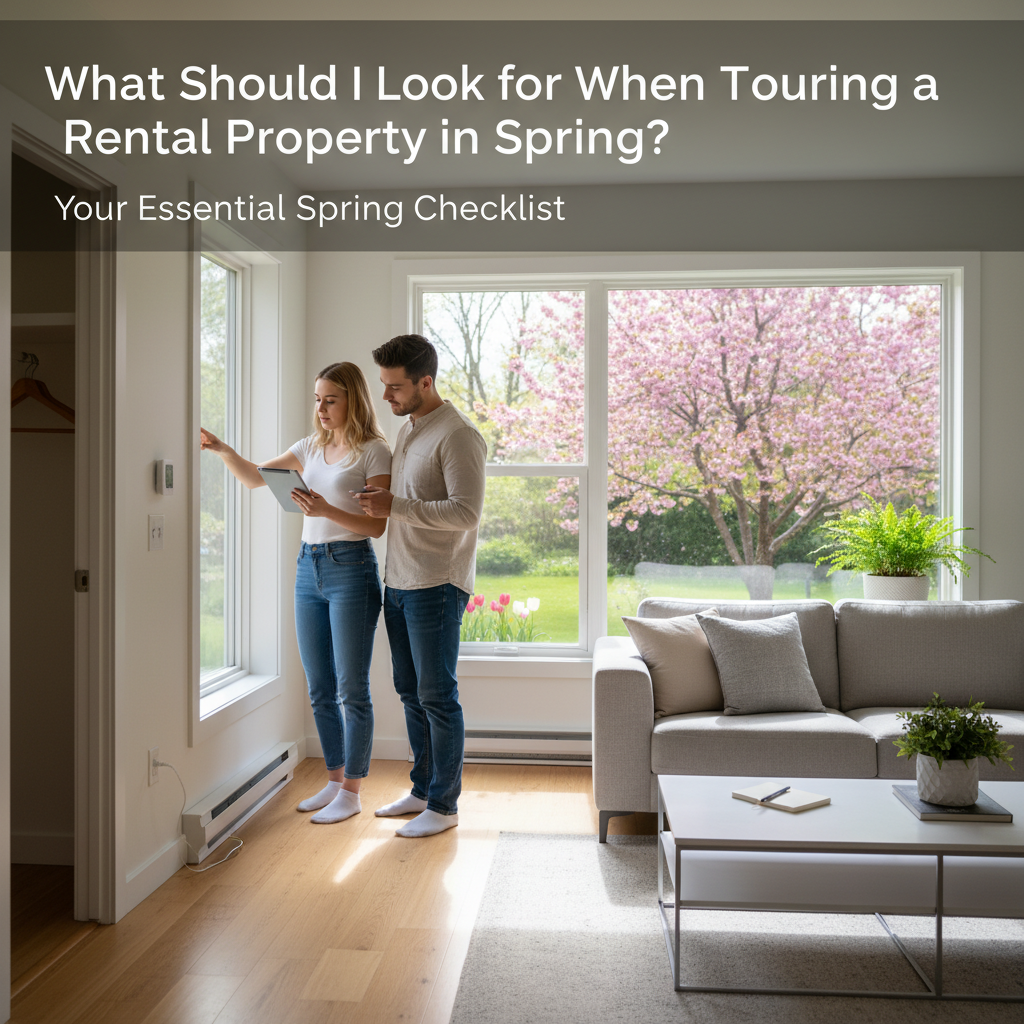
What Should I Look for When Touring a Rental Property in Spring? A Complete Inspection Guide
A spring rental property tour is a systematic property inspection process conducted during the spring season to evaluate a rental unit’s condition, safety features, and suitability before signing a lease agreement. Spring rental season (March through May 2025) offers unique advantages for tenant evaluation, as seasonal conditions reveal property defects that remain hidden during other times of year.
Why Spring Provides the Best Rental Property Assessment Opportunities

Spring represents the optimal period for apartment hunting and house rental inspection due to specific environmental conditions. According to National Association of Residential Property Managers data (2024), 40% of annual lease signings occur during the spring moving season. Springtime property viewing allows tenants to identify water damage from winter precipitation, test heating and cooling systems during temperature transitions, and assess drainage issues during seasonal rainfall.
The spring rental market offers tenants increased inventory selection and negotiating leverage. Property managers typically address deferred maintenance before peak leasing periods, meaning rental properties display better condition during spring apartment tours. Additionally, natural light evaluation becomes more accurate as daylight hours extend, revealing wall condition and flooring defects obscured by winter darkness.
Structural Elements: Foundation, Roof, and Building Condition Assessment
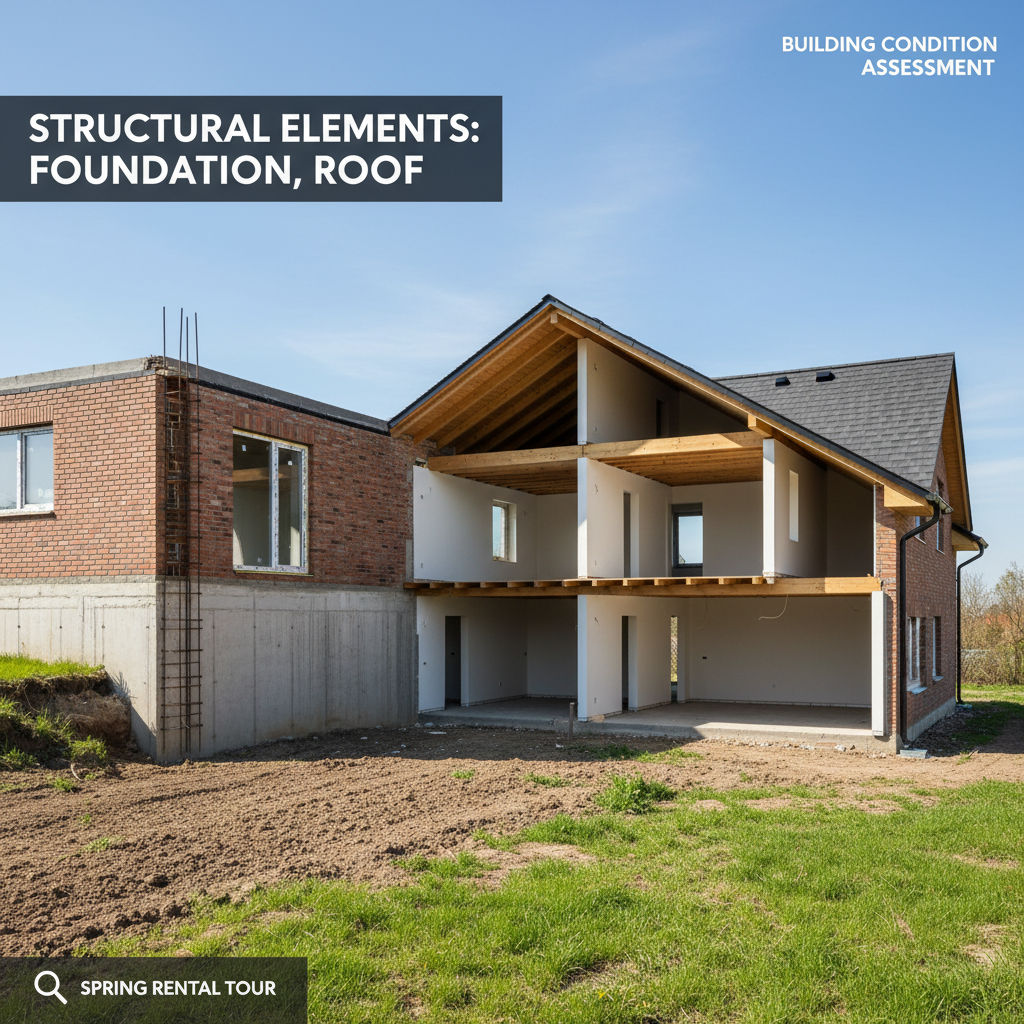
Begin your rental property evaluation with exterior structural components. The foundation provides the property’s stability, while the roof protects against water intrusion. During your property walkthrough, examine these critical structural issues:
Foundation and Exterior Wall Inspection
- Foundation cracks: Inspect basement walls and exterior foundation for cracks wider than 1/4 inch, indicating potential structural defects
- Water stains: Check basement for water damage signs, including discoloration, efflorescence (white mineral deposits), or moisture marks
- Grading and drainage: Verify ground slopes away from foundation at minimum 6 inches over 10 feet to prevent water accumulation
- Gutters and downspouts: Confirm gutters attach securely and drainage directs water at least 5 feet from foundation
Spring moisture and drainage issues in rental homes become apparent after seasonal precipitation. Walk the property perimeter during or immediately after rainfall to identify pooling water, which indicates inadequate yard drainage. These property red flags suggest future flooding risks and potential mold growth.
Roof, Windows, and Doors Inspection Points
Examine the roof from ground level, noting missing or damaged shingles, sagging sections, or visible deterioration. Request maintenance history documentation from the landlord regarding roof repairs or replacement dates. Windows and doors represent critical energy efficiency components and security features:
- Window condition: Test each window for smooth operation, intact seals, and functional locks
- Door alignment: Verify exterior doors close completely, locks engage properly, and weatherstripping remains intact
- Screen condition: Check window screens for tears or gaps, particularly important for spring ventilation
- Frame inspection: Examine window and door frames for wood rot, especially on south-facing exposures
Interior Systems: HVAC, Plumbing, and Electrical System Evaluation
Testing mechanical systems during your rental property tour ensures habitability requirements compliance. According to U.S. Department of Housing and Urban Development standards (2024), landlords must provide functional heating, plumbing, and electrical systems meeting local building codes.
HVAC System and Climate Control Testing
The HVAC system provides essential climate control, particularly during spring temperature fluctuations. Test both heating and cooling systems during your apartment viewing, even if outdoor temperatures feel comfortable. Request the following information from the property manager:
- HVAC age and service history: Systems older than 15 years require frequent repairs and higher utility costs
- Filter replacement schedule: Monthly filter changes indicate proper maintenance practices
- Thermostat functionality: Test programmable features and temperature accuracy
- Air conditioning performance: Run system for 15-20 minutes, checking for cool air output and unusual noises
- Heating system test: Verify consistent warm air delivery to all rooms
Examine air vents for dust accumulation and proper airflow. Inspect the water heater age (stamped on manufacturer label), typical lifespan being 10-12 years. Test water temperature at faucets, which should reach 120°F within 60 seconds.
Plumbing Inspection and Water Test Procedures
Comprehensive plumbing inspection prevents future maintenance disputes and identifies existing property defects. During your rental walkthrough, perform these essential checks:
- Water pressure test: Run multiple faucets simultaneously, checking for adequate pressure (40-60 PSI optimal)
- Leak detection: Inspect under sinks, around toilet bases, and beneath water heater for moisture or stains
- Drain function: Fill sinks and bathtub, then drain completely, timing for clogs (should empty within 2 minutes)
- Toilet operation: Flush each toilet, checking for complete bowl clearing and tank refilling
- Shower and bathtub condition: Test water temperature consistency and examine caulking for gaps or mold
Spring rental property inspection should specifically address winter freeze damage. Look for ceiling and floor damage beneath bathrooms or kitchens, indicating hidden pipe leaks.
Electrical Check and Safety Inspection
The electrical system requires thorough evaluation for both functionality and safety compliance. Test lighting fixtures in all rooms, closets, and outdoor areas. Inspect electrical outlets during apartment tour by:
- Testing each outlet with phone charger or outlet tester device
- Verifying GFCI outlets in bathrooms, kitchen, and outdoor locations
- Checking circuit breaker panel accessibility and labeling
- Examining outlets and switches for loose covers or scorch marks
- Confirming adequate outlet quantity for modern electronic devices
Kitchen and Bathroom: Appliance Testing and Fixture Evaluation
Kitchen appliances and bathroom fixtures significantly impact daily living quality. What to look for in kitchen during rental tour includes comprehensive appliance functionality testing.
Kitchen Appliances and Storage Assessment
Test each included appliance during your property viewing. The refrigerator should maintain 37-40°F temperature, with freezer at 0°F. Run the stove burners and oven, checking for even heating and functional controls. Operate the dishwasher through complete cycle if time permits, listening for unusual noises or leaks.
Inspect cabinets and countertops for wear and tear, opening each cabinet door to check hinges and interior condition. Examine countertops for cracks, burns, or delamination. Verify adequate storage space for your household needs.
Bathroom Inspection Checklist for Spring Rental
Bathroom fixtures require careful scrutiny for both functionality and mold prevention. Checking for mold when touring rental in spring proves especially important, as winter humidity promotes growth. Examine:
- Shower and tub: Check caulking integrity, tile grout condition, and ventilation fan operation
- Sinks and vanity: Test faucet operation, check under-sink plumbing, inspect cabinet condition
- Toilet function: Verify secure floor mounting, check for tank leaks, test flush power
- Ventilation: Run exhaust fan for 5 minutes, confirming adequate moisture removal
- Mold indicators: Look for black spots on ceilings, around tubs, or on window sills
Safety Features and Code Compliance Verification
Rental regulations require specific safety features that landlords must provide and maintain. According to Federal Emergency Management Agency guidelines (2024), all residential properties must include functional smoke detectors on each level and carbon monoxide detectors near sleeping areas.
What Safety Features to Check in Rental Property
Test smoke detectors by pressing test buttons, verifying audible alarm activation. Examine carbon monoxide detectors for expiration dates (typically 5-7 year lifespan) and proper placement. Inspect locks on all exterior doors and windows, ensuring secure latching mechanisms. Verify adequate lighting fixtures in hallways, stairwells, and entry areas for nighttime safety.
Outdoor Space: Yard, Landscaping, Parking, and Storage Evaluation
Evaluating outdoor space during spring rental tour reveals maintenance standards and usability. The yard should display healthy landscaping without dead trees, overgrown vegetation, or pest control issues. Examine the parking space or garage for adequate size, surface condition, and security features.
Checking Parking and Storage During Property Viewing
Measure parking space dimensions if you own larger vehicles, confirming adequate clearance. Inspect garage doors for smooth operation and working automatic openers. Evaluate storage space including closets, basement areas, and garage capacity. How to assess storage space during rental tour involves measuring closet dimensions and examining accessibility.
Red Flags and Warning Signs to Watch For
Certain property conditions indicate deeper problems or landlord negligence. Red flags rental properties display include:
- Persistent musty odors: Suggests hidden mold or water damage
- Fresh paint over stains: May conceal water damage or mold growth
- Multiple deadbolt holes: Indicates previous break-in attempts or security issues
- Makeshift repairs: Suggests deferred maintenance and future problems
- Pest evidence: Droppings, damaged wood, or unusual holes indicate infestation
- Neighborhood deterioration: Abandoned properties or excessive crime reports
Checking for pest problems during spring rental tour proves crucial, as warmer temperatures activate insect and rodent activity. Look for droppings, gnaw marks, or unusual holes in walls and floors.
Essential Questions to Ask Landlord During Spring Property Viewing
What to ask landlord during spring property viewing should cover maintenance obligations, lease terms, and property history. Prepare these critical questions:
- Utility responsibilities: Which utilities does the tenant pay versus landlord coverage?
- Repair obligations: What constitutes tenant versus landlord maintenance responsibility?
- Security deposit: How much deposit is required, and what conditions justify withholding?
- Monthly rent: Does rent include any utilities, parking, or additional fees?
- Lease negotiation: Are lease terms flexible regarding duration or renewal options?
- Property upgrades: When were major systems (HVAC, water heater, roof) last replaced?
- Tenant screening: What criteria does the rental application process evaluate?
- Occupancy standards: Are there restrictions on number of occupants or pets?
Request property disclosure documents detailing known defects or past problems. Review lease agreement terms carefully before signing, noting all repair obligations and additional fees beyond monthly rent.
Documentation: Move-In Inspection and Walk-Through Procedures
The walk-through inspection provides legal protection by documenting existing property conditions. According to tenant rights legislation in most states (2024), landlords must offer move-in inspection opportunities within 7 days of occupancy. During this rental documentation process:
- Photograph or video all rooms, appliances, and existing damage
- Complete landlord-provided inspection checklist noting every defect
- Test all appliances, outlets, and plumbing fixtures again
- Document flooring condition, wall damage, and lighting fixture status
- Submit completed inspection report to property manager within specified timeframe
This rental documentation protects your security deposit by establishing baseline conditions. For comprehensive guidance on spring rental property evaluation, What Should I Look for When Touring a Rental Property in Spring? resources provide additional checklists and legal considerations.
Rental Comparison and Final Decision Criteria
Property comparison requires systematic evaluation across multiple rental units. Create standardized rental criteria including location factors, rental costs, habitability check results, and desirable amenities. Rate each property on essential features versus nice-to-have amenities.
Location evaluation should assess neighborhood safety, accessibility features, proximity to work, and area assessment for services. Must-have features typically include functional HVAC system, adequate storage options, reliable plumbing, and laundry facilities. Housing quality standards demand livable condition meeting habitability requirements before lease signing.
Spring rental season offers optimal property viewing conditions, revealing seasonal issues while providing selection advantages. Thorough inspection during springtime ensures housing search success and prevents future maintenance disputes with property managers.