What Is Rental Property Inspection Timing? A Landlord’s Complete Schedule Guide
Rental property inspection timing refers to the scheduled and event-triggered occasions when a landlord or property manager examines a rental unit to assess condition, safety, and lease compliance. As of 2025, most landlords conduct inspections at four key points: move-in, routine intervals during the lease, seasonal maintenance checks, and move-out. Proper timing protects tenant rights, satisfies habitability standards, and supports legal defensibility of security deposit deductions.
Why Inspection Timing Matters for Landlords and Tenants

Timing determines whether an inspection is legally valid and practically useful. A landlord who enters without proper notice risks violating tenant privacy laws and state landlord-tenant law. Conversely, a landlord who never inspects a rental property may miss plumbing system leaks or HVAC system failures that violate habitability standards.
According to most state landlord-tenant statutes (2025), landlords must balance their right to maintain the property against the tenant’s right to quiet enjoyment. This is the core tension that inspection timing resolves.
Key Characteristics of Proper Inspection Timing
- Event-based triggers: Move-in inspection, move-out inspection, and lease renewal inspection mark contractual milestones.
- Calendar-based cadence: Annual property inspection or quarterly property inspection schedules catch wear and tear early.
- Legal notice compliance: Tenant notice requirements typically mandate 24-48 hours’ written notice to enter, per state law.
- Documentation-driven: Every visit generates a property condition report or inspection report template for the file.
- Purpose-specific scope: A routine inspection differs from a maintenance-triggered visit responding to a tenant’s maintenance request.
How It Works: The 5-Step Rental Property Inspection Schedule
1. Move-in Inspection (Day 0)
The landlord and tenant jointly complete a move-in move-out checklist documenting rental unit condition before occupancy begins. Photos and a signed inspection checklist establish baseline evidence, protecting both parties.
2. Routine Inspection (Every 3-6 Months)
Routine property checkups verify smoke detector function, check for leaks, and confirm lease compliance review items are being met. Industry guidance suggests routine maintenance checks occur no more than quarterly to avoid tenant privacy concerns.
3. Seasonal Maintenance Inspection (Quarterly)
Seasonal maintenance inspection focuses on HVAC system readiness before summer/winter, gutter clearing in fall, and pipe insulation before freezing temperatures—part of a broader preventive maintenance schedule.
4. Lease Renewal or Annual Lease Inspection (60-90 Days Before Renewal)
Before offering a new lease agreement, landlords conduct an annual rental property inspection to identify repairs needed and justify any rent adjustment tied to property upkeep schedule investments.
5. Move-out Inspection (Within 24-72 Hours of Vacancy)
The move-out inspection compares current rental unit condition against the original property condition report, forming the basis for security deposit deductions and property damage documentation.
For landlords seeking a structured approach to scheduling these five stages, resources on rental property inspection timing can help align frequency with legal and operational best practices.
Common Misconceptions About Landlord Inspection Timing
| Myth | Reality |
|---|---|
| Landlords can inspect anytime they own the property. | Landlord entry laws require advance written notice (typically 24-48 hours) except in emergencies. |
| Inspections are only needed at move-in and move-out. | Routine inspection and seasonal maintenance inspection prevent costly, unnoticed damage. |
| Verbal notice is always sufficient. | Most state landlord-tenant law requires a written notice to enter, delivered within a specified tenant notification period. |
| Tenants have no rights during inspections. | Tenant rights during inspection include privacy, reasonable timing, and the right to be present. |
| Any inspection frequency is legally acceptable. | Excessive visits can violate tenant privacy laws even with notice given. |
Move-in Inspection vs Move-out Inspection: Key Differences
The move-in inspection establishes baseline rental unit condition before the tenant moves belongings in. The move-out inspection, by contrast, evaluates cumulative property wear and tear against that baseline. Unlike the move-in process—which is collaborative and forward-looking—the move-out inspection is evaluative and directly affects security deposit return. Both should use the same inspection checklist template to ensure a fair, consistent property condition assessment.
Practical Applications: Scheduling Inspections the Right Way
How Much Notice Is Required for a Rental Inspection?
Most states require 24-48 hours’ notice to enter, though some jurisdictions mandate longer tenant notification periods. Always confirm requirements with your local housing authority.
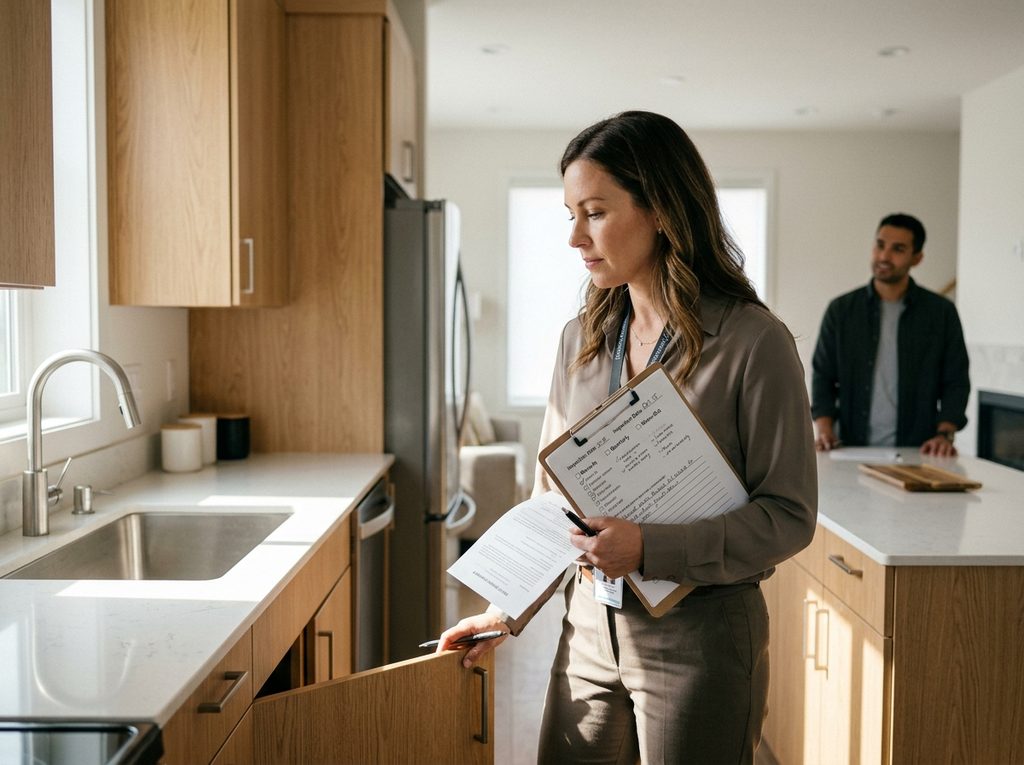
What to Look for During a Rental Property Inspection
- Smoke detector battery status and placement
- HVAC system filters and airflow
- Plumbing system leaks under sinks and around toilets
- Structural signs of pest infestation or mold
- Compliance with the original rental agreement terms
Legal Requirements for Rental Property Inspections
Landlords must comply with the Fair Housing Act, avoiding discriminatory inspection practices, and follow state-specific rental compliance check rules. Property insurance policies may also require documented annual inspections to maintain coverage.
Using Technology for Inspection Frequency Guidelines
Property management software now automates inspection scheduling, sends notice-to-enter reminders, and stores property condition report history—streamlining landlord responsibilities and reducing legal exposure.
In summary, rental property inspection timing is not arbitrary. It is a structured system combining move-in inspection, routine inspection, seasonal maintenance inspection, and move-out inspection—each governed by tenant notice requirements and state landlord-tenant law. Landlords who follow this framework protect their investment while respecting tenant rights.