How to Maximize Your Home Value with Pre-Listing Prep: 6-Step Q1 Guide 2026
Outcome: Complete essential home repairs before listing in Q1 to increase resale value by 5-15% within 6-8 weeks. This guide requires beginner-to-intermediate DIY skills and a renovation budget of $5,000-$25,000 depending on property condition.
According to the National Association of Realtors (2024), sellers who invest in pre-listing maintenance tasks for spring market preparation receive offers 17% faster than those listing as-is condition properties. The Q1 selling season (January through March) presents unique opportunities for strategic repairs that attract home buyers preparing for spring real estate market purchases.
Before You Begin: Pre-Listing Preparation Prerequisites
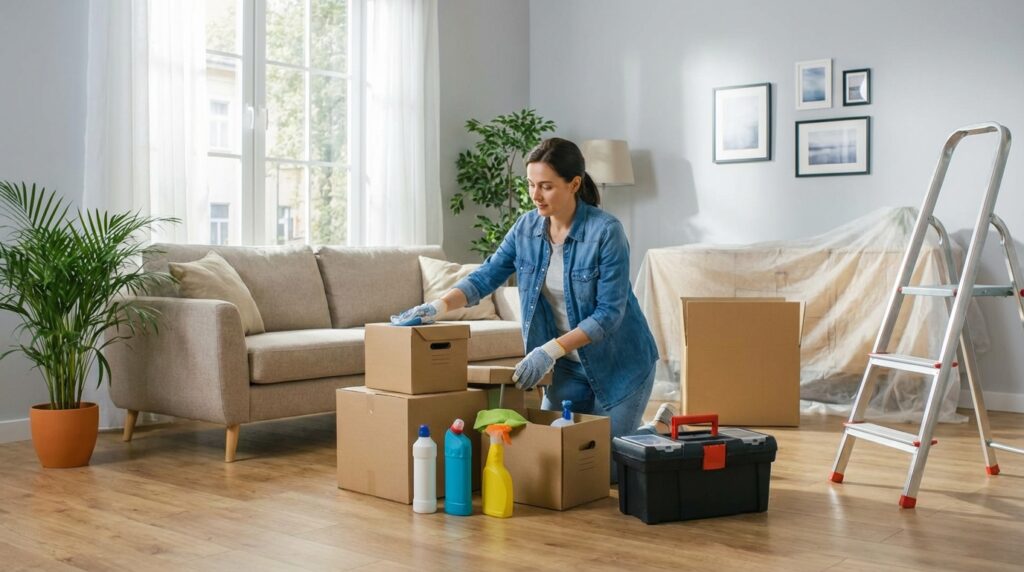
Required Tools and Resources:
- Professional Assessment: Schedule pre-listing inspection with certified home inspector ($300-$500)
- Budget Planning: Establish renovation budget based on current market value and comparable properties
- Contractor Network: Identify licensed electrician, plumber, HVAC technician, and general contractor
- Market Analysis: Consult real estate agent for competitive pricing insights and buyer expectations
- Timeline: Allocate 6-8 weeks before intended listing date for property preparation
According to HomeAdvisor (2024), the average ROI on pre-sale renovations ranges from 50-107% depending on project scope and neighborhood housing market conditions.
Step 1: Conduct Pre-Sale Home Inspection & Establish Repair Priorities
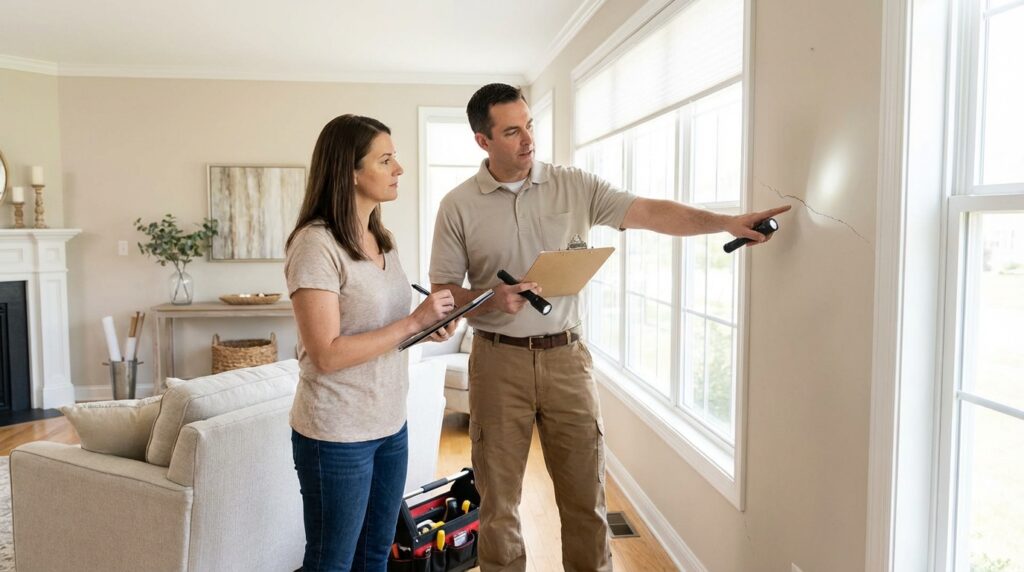
Action: Hire a certified home inspector to identify inspection issues before buyers discover them. This proactive approach strengthens negotiation strength and prevents last-minute repair credits.
Step 1.1: Schedule Professional Pre-Listing Inspection
- Contact licensed home inspector with local market knowledge
- Request comprehensive evaluation covering foundation, roof, home systems, and structural integrity
- Obtain detailed report with photographs and repair estimate for each identified issue
- Review disclosure statement requirements in your state (typically 3-5 business days)
Step 1.2: Categorize Repairs by Priority
Organize identified issues into three categories based on buyer appeal and safety compliance:
| Priority Level | Repair Type | Timeline | Budget Impact |
|---|---|---|---|
| Critical | Structural repairs, safety updates, code updates | Week 1-2 | 40-50% of budget |
| High-Impact | Kitchen refresh, bathroom remodel, flooring replacement | Week 3-4 | 30-40% of budget |
| Cosmetic | Fresh paint, hardware updates, curb appeal enhancement | Week 5-6 | 10-20% of budget |
Step 2: Address Critical Structural and Safety Repairs
Action: Complete necessary fixes that affect property value, safety, and home appraisal outcomes. According to Zillow (2024), unresolved structural issues reduce listing price by an average of 8-12%.
Step 2.1: Foundation and Structural Maintenance
- Inspect foundation for cracks exceeding 1/4 inch width (hire structural engineer if detected)
- Address basement water intrusion with proper drainage and waterproofing
- Repair settling issues affecting doors, windows, and walls alignment
- Document all structural repairs with contractor invoices for disclosure statement
Step 2.2: Roof and Exterior Envelope
- Schedule roof inspector evaluation (replace if remaining lifespan < 5 years)
- Repair damaged shingles, flashing, and gutters to prevent water damage
- Seal chimney, vents, and exterior penetrations against moisture
- Update siding or exterior cladding showing significant deterioration
Timeline: Complete critical repairs within 2 weeks. Most buyers expect move-in ready properties in competitive markets.
Step 3: Execute Essential Home Systems Maintenance
Action: Service and update HVAC, plumbing, and electrical systems to demonstrate preventive maintenance and reduce buyer concerns about deferred maintenance.
Step 3.1: HVAC System Updates
- Schedule HVAC technician for complete system inspection and tune-up ($150-$300)
- Replace furnace filters and clean ductwork for improved energy efficiency
- Service air conditioning units before spring showing season (March-April)
- Consider upgrading to programmable thermostat as value-added improvement ($200-$400 with 100% ROI)
- Obtain documentation proving regular maintenance history for home warranty transfer
Step 3.2: Plumbing System Inspection
- Hire licensed plumber to inspect all fixtures, pipes, and water heater
- Repair leaking faucets, running toilets, and slow drains (average cost: $150-$400)
- Replace water heater if age exceeds 10 years or shows signs of corrosion
- Update outdated galvanized pipes to copper or PEX in visible areas
- Install water pressure regulator if pressure exceeds 80 PSI
Step 3.3: Electrical System Compliance
- Contract certified electrician for panel inspection and code updates ($200-$500)
- Replace outdated two-prong outlets with grounded three-prong receptacles
- Install GFCI outlets in kitchen, bathroom, and garage as required by code
- Upgrade inadequate amp service (60-100 amp to 200 amp if needed, $2,000-$4,000)
- Address aluminum wiring concerns with professional remediation
According to Angi (2024), home buyers rank functional home systems among top three purchase decision factors, alongside location and property condition.
Step 4: Complete High-Impact Cosmetic Improvements
Action: Invest in cost-effective repairs that deliver maximum property presentation impact and first impression appeal.
Step 4.1: Kitchen Refresh Strategies
- Apply fresh paint to kitchen cabinets in neutral colors (DIY cost: $200-$400, ROI: 80-100%)
- Replace outdated cabinet hardware with modern alternatives ($3-$8 per handle)
- Install new faucet and sink fixtures for updated features ($150-$400 installed)
- Update countertop edges or resurface laminate for polished appearance
- Replace broken or chipped tiles in backsplash area
Step 4.2: Bathroom Updates for Modern Amenities
- Re-caulk tubs, showers, and sinks to eliminate mold and mildew
- Replace dated light fixtures with energy-efficient LED options ($50-$150 each)
- Install new toilet seats, towel bars, and toilet paper holders ($100-$200 total)
- Update bathroom vanity faucets and showerheads ($80-$200 per fixture)
- Apply fresh grout and sealant to tile surfaces
Step 4.3: Flooring Replacement Priorities
- Replace worn carpets with neutral beige or gray options ($2-$8 per square foot installed)
- Refinish hardwood flooring showing significant wear ($3-$5 per square foot)
- Repair tile cracks and replace broken pieces in high-traffic areas
- Consider luxury vinyl plank as cost-effective alternative to hardwood ($3-$7 per square foot)
Step 5: Enhance Curb Appeal and Exterior Maintenance
Action: Create strong first impression through landscaping improvements and exterior updates. According to the National Association of Realtors (2024), curb appeal projects return 94% of investment cost.
Step 5.1: Landscaping Improvements for Q1
- Hire landscaper for winter cleanup and early spring preparation ($200-$500)
- Trim overgrown shrubs and trees away from house structure (6-12 inches minimum)
- Apply fresh mulch to garden beds in dark brown or black (2-3 inches depth)
- Plant cold-hardy flowers for early spring color (pansies, primrose)
- Edge walkways and driveways for defined appearance
- Power wash driveway, walkways, and exterior surfaces ($150-$400 professional service)
Step 5.2: Exterior Enhancements
- Paint or replace front door for immediate buyer appeal (ROI: 90-120%)
- Update house numbers, mailbox, and exterior lighting fixtures
- Repair or replace damaged siding sections
- Clean or replace gutters and downspouts showing wear
- Install pathway lighting for evening showings ($20-$50 per fixture)
Step 6: Interior Updates and Property Staging Preparation
Action: Complete paint and patch work plus minor updates creating neutral, showing condition interiors.
Step 6.1: Paint and Patch Essentials
- Apply neutral paint colors throughout (greige, soft gray, warm white)
- Patch nail holes, drywall cracks, and ceiling imperfections with spackle
- Paint ceiling if showing stains or yellowing from age
- Touch up baseboards, door frames, and window trim with semi-gloss white
- Average painting cost: $2-$6 per square foot for professional painter, or $200-$500 DIY materials
Step 6.2: Lighting Upgrades and Fixture Modernization
- Replace outdated light fixtures in entry, dining room, and bathrooms
- Install dimmer switches for ambient lighting control ($15-$30 per switch)
- Increase wattage in dark rooms to 100-watt equivalent LED bulbs
- Add under-cabinet lighting in kitchen for modern appeal ($80-$200)
Step 6.3: Final Interior Details
- Replace worn switch plates and outlet covers with new white versions
- Update interior door hardware to brushed nickel or matte black
- Repair squeaky doors and sticking windows
- Professional deep clean including carpets, windows, and appliances ($300-$600)
Troubleshooting Common Pre-Listing Issues
If inspection reveals major foundation issues: Obtain structural engineer assessment and multiple contractor bids. Disclose findings to potential buyers with repair documentation. Consider price adjustment of 1-2x repair cost rather than completing work.
If renovation budget exceeds initial estimates: Focus on essential fixes and safety compliance items first. Defer optional upgrades unless real estate agent confirms competitive edge necessity in your neighborhood market.
If contractor delays threaten Q1 timeline: Prioritize critical repairs affecting home appraisal. Complete cosmetic improvements post-listing if necessary. Most buyers accept minor punch-list items with appropriate credits.
If comparable properties show higher value after improvements: Consult appraiser for formal valuation. Adjust listing price based on actual market value rather than renovation costs. Not all improvements return 100% ROI.
If buyers request repair negotiations despite pre-listing prep: Provide documentation of completed work and home warranty coverage. Counter with minimal credit (0.5-1% of sale price) rather than additional repairs.
Next Steps: Optimize Your Q1 Property Preparation Timeline
Upon completing this 6-step maintenance checklist, schedule the following activities:
- Week 7: Hire professional home staging consultant for furniture placement and interior design optimization ($500-$2,000)
- Week 7: Schedule professional photography emphasizing curb appeal and high-impact repairs ($200-$500)
- Week 8: Finalize MLS listing details with realtor emphasizing turnkey property status and move-in condition
- Week 8: Set competitive pricing based on comparable properties plus improvement ROI
- Ongoing: Maintain showing condition through daily quick fixes and preventive maintenance
According to Redfin (2024), homes listed in Q1 with completed pre-listing tasks sell 23 days faster than typical spring market properties and receive 2.3 more offers on average.
Maximize Sale Price Through Strategic Pre-Listing Investment
Successful Q1 home preparation requires balancing value engineering principles with buyer preferences in your specific housing market. The essential maintenance before listing in January through March positions your property for maximum property value optimization during the competitive spring real estate market surge.
Sellers who complete this home preparation timeline for Q1 sale create competitive advantage through reduced inspection contingency concerns and faster home sale closing timelines. The average home value enhancement from comprehensive pre-listing work ranges from $15,000-$45,000 depending on initial property condition and market standards in the neighborhood.
Work with your real estate agent to identify which repairs to make before listing home based on local buyer expectations and comparable home features. Strategic updates completed during winter repairs phase position your turnkey sale for optimal Q1 listing success and higher offers throughout the spring selling season.