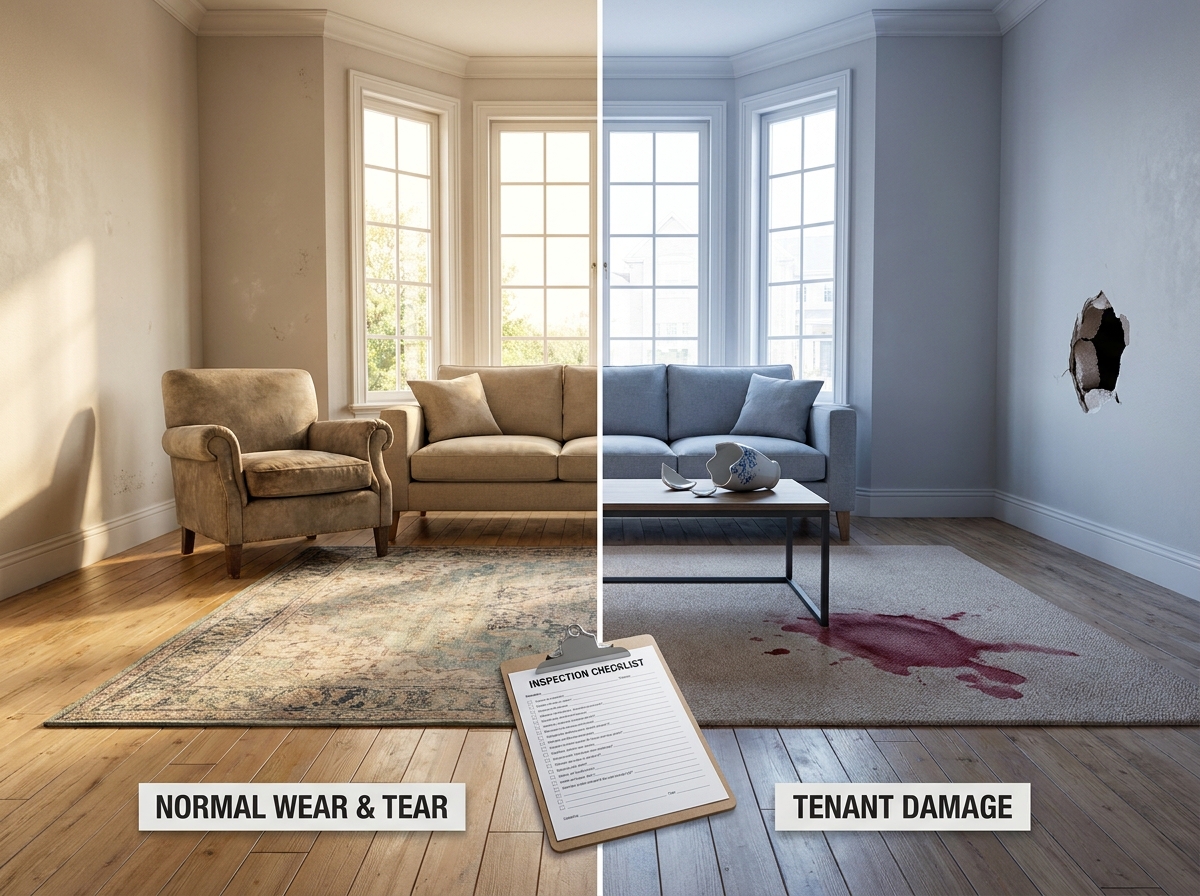
What Is Normal Wear and Tear vs. Tenant Damage? Understanding Security Deposit Deductions
Normal wear and tear is the natural, gradual deterioration of a rental property that occurs through ordinary use over time, while tenant damage is physical harm caused by negligence, accidents, or misuse that exceeds reasonable expectations for property condition. This distinction determines whether landlords can legally withhold security deposit funds when a tenant vacates.
Why the Distinction Matters for Property Owners and Renters
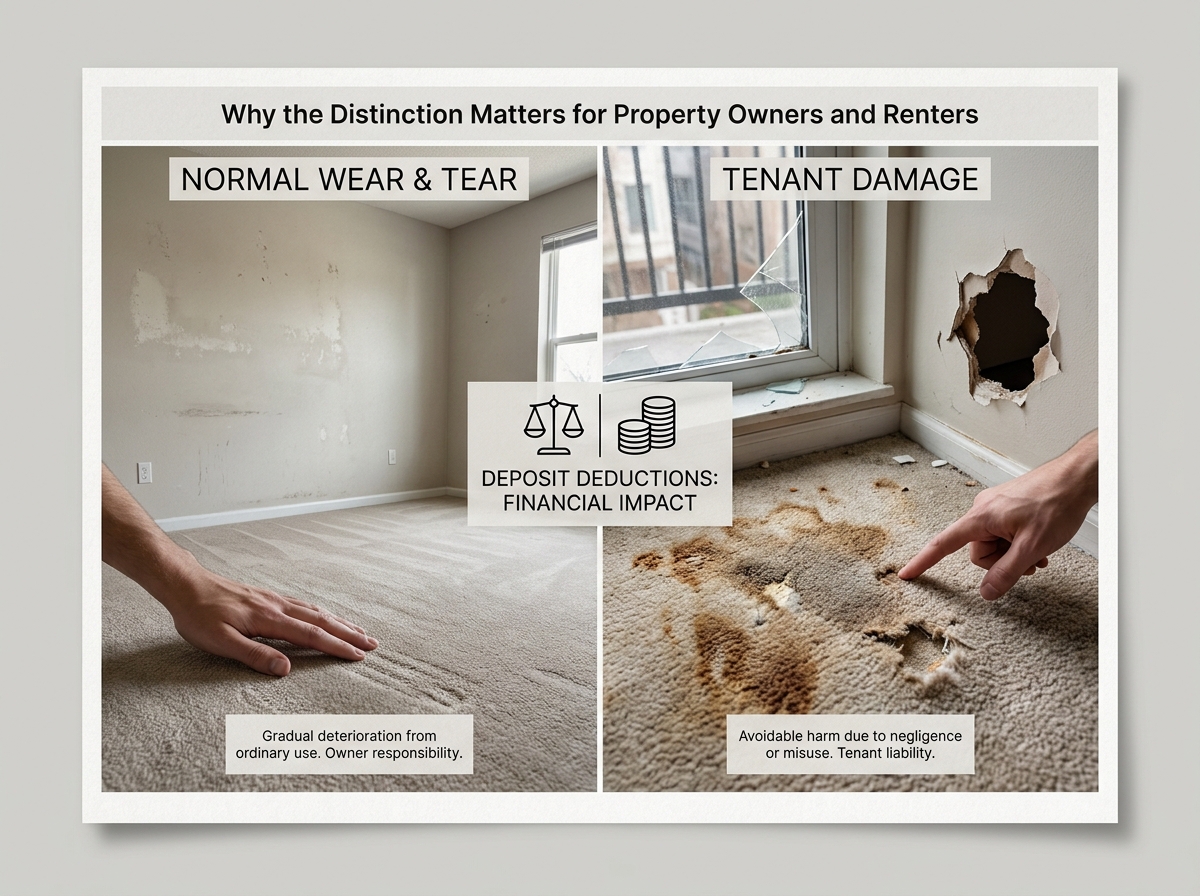
The difference between wear and tear vs damage deposit withholding affects approximately 43 million rental households in the United States as of 2025. According to the National Multifamily Housing Council (2024), security deposit disputes represent the most common source of landlord-tenant litigation. Landlords cannot legally deduct costs for normal deterioration from security deposits under fair housing regulations in all 50 states. Tenants who understand these distinctions can protect their deposit rights and avoid unfair charges.
Key Characteristics of Normal Wear and Tear
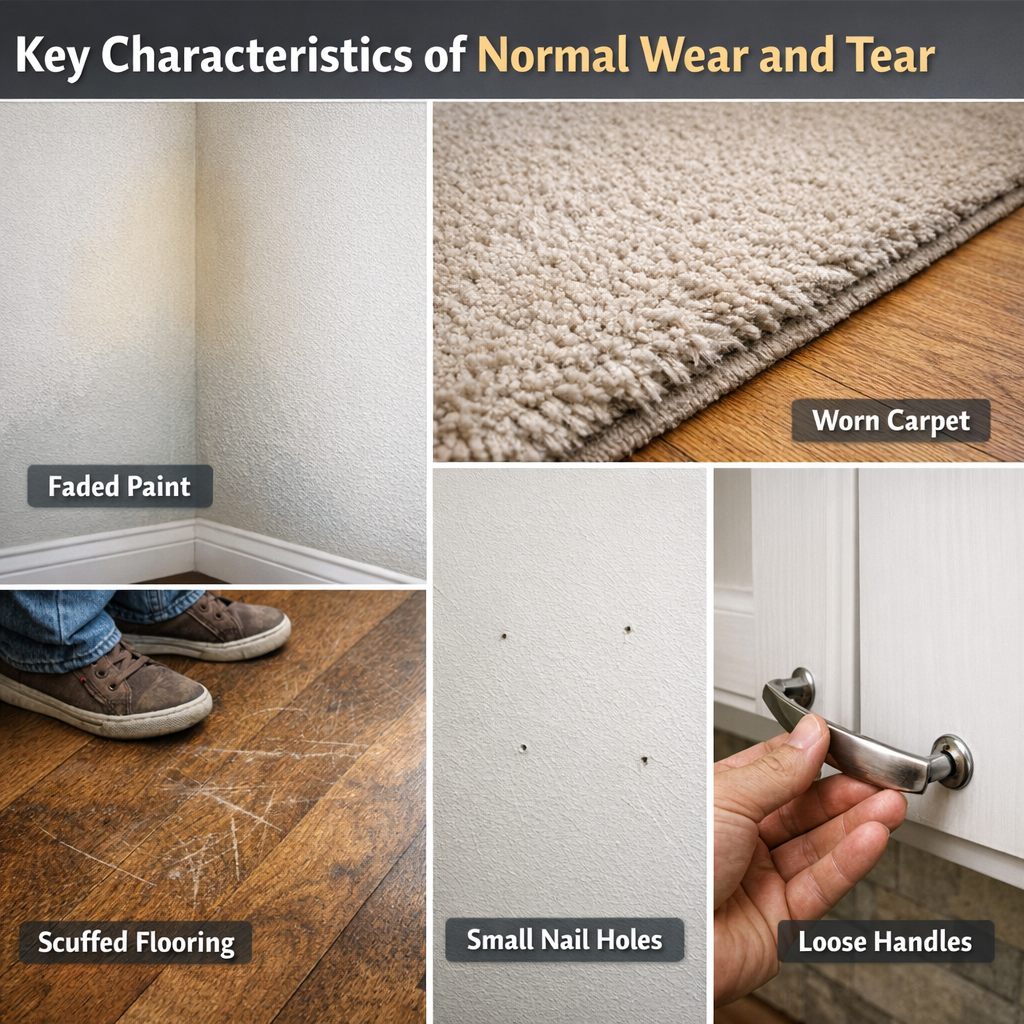
Normal wear and tear exhibits five defining characteristics that distinguish it from damage:
- Time-dependent deterioration: The condition worsens gradually over months or years rather than appearing suddenly
- Predictable degradation: The deterioration follows expected patterns for the material and usage level
- Ordinary use: The condition results from standard living activities without negligence
- Minor cosmetic changes: The issues affect appearance more than functionality
- Replacement cycle alignment: The deterioration corresponds with the item’s expected lifespan
Defining Characteristics of Tenant Damage
Tenant damage displays distinct features that justify security deposit deductions:
- Sudden occurrence: The damage appears abruptly from a specific incident
- Exceeds reasonable use: The condition results from carelessness, abuse, or misuse
- Functional impairment: The damage affects the property’s usability or safety
- Premature deterioration: The item fails before its expected replacement timeline
- Preventable with reasonable care: The damage could have been avoided through proper use
Room-by-Room Examples: Normal Wear and Tear
Living Areas and Bedrooms
Normal wear and tear in residential spaces includes minor carpet wear patterns in high-traffic areas after three years, small nail holes (under 1/4 inch) from hanging pictures, light scuff marks on baseboards, and faded paint from sun exposure. Carpet typically requires replacement every 5-7 years under normal use, according to the Institute of Inspection, Cleaning and Restoration Certification (2023).
Kitchen and Bathroom
Expected deterioration includes worn finish on cabinet handles, minor scratches on countertops from normal food preparation, gradual discoloration of grout, and worn sink finishes from regular cleaning. The National Kitchen and Bath Association (2024) establishes that cabinet hardware shows visible wear after 8-10 years of daily use.
Flooring and Fixtures
Normal degradation encompasses slight warping of wood floors from humidity changes, dulled finish on hardwood from foot traffic, loose door handles from repeated use, and minor cracks in caulking. Hardwood floor refinishing typically occurs every 7-10 years under standard residential conditions.
Room-by-Room Examples: Tenant Damage
Living Areas and Bedrooms
Tenant damage includes large holes in walls (over 1/4 inch diameter), torn or stained carpet from pet accidents, crayon or marker drawings on walls, broken window glass, and cigarette burns on flooring. Unlike normal wear, these conditions result from specific negligent acts or policy violations.
Kitchen and Bathroom
Deductible damage encompasses broken cabinet doors, deep gouges in countertops, cracked tiles, missing or broken fixtures, and mold growth from unreported leaks. The American Apartment Owners Association (2024) confirms that tenants must report maintenance issues within reasonable timeframes to avoid damage liability.
Flooring and Fixtures
Damage requiring deposit deductions includes pet scratches that penetrate wood flooring, water damage from overflowing bathtubs, broken appliances from misuse, and missing or damaged light fixtures beyond normal bulb replacement.
Common Misconceptions About Security Deposit Deductions
Myth: Landlords can charge tenants for repainting after any tenancy length.
Reality: Most states require landlords to repaint every 3-5 years as normal maintenance. According to the National Apartment Association (2025), tenants are only liable for paint damage beyond normal fading or minor scuffs.
Myth: All carpet cleaning fees are deductible from deposits.
Reality: Professional cleaning between tenants constitutes normal turnover costs. Landlords can only deduct for stains, burns, or damage exceeding normal wear.
Myth: Security deposits cover routine maintenance and cleaning.
Reality: The Consumer Financial Protection Bureau (2024) clarifies that deposits only cover tenant-caused damage beyond reasonable deterioration, not standard upkeep expenses.
Legal Framework for Deposit Withholding in 2025
As of 2025, all U.S. states regulate security deposit deductions through specific statutes. California Civil Code Section 1950.5 exemplifies typical requirements: landlords must provide itemized statements within 21 days showing specific damage costs with supporting documentation. The Federal Fair Housing Act prohibits discriminatory application of wear-and-tear standards. State-specific timelines range from 14 to 60 days for deposit return or itemized deduction notices.
Normal Wear and Tear vs. Deferred Maintenance
Unlike normal wear and tear (tenant-related deterioration), deferred maintenance involves the landlord’s failure to perform required upkeep. Peeling paint from lack of repainting schedules, broken fixtures never repaired during tenancy, and deteriorated caulking from landlord neglect cannot be deducted from deposits. Property owners bear responsibility for maintaining habitable conditions regardless of tenant actions.
Documentation Best Practices for Both Parties
Effective documentation protects both landlords and tenants. Take timestamped photographs of all rooms, fixtures, and surfaces during move-in and move-out inspections. The National Association of Residential Property Managers (2024) recommends video walkthroughs with date stamps. Document pre-existing conditions in writing with signatures from both parties. For investment property owners seeking additional opportunities, exploring how to find off-market real estate deals can expand portfolio options while maintaining proper tenant documentation standards.
Practical Application: Resolving Deposit Disputes
When disputes arise, tenants should request detailed itemization with receipts showing actual repair costs and contractor invoices. Compare claimed damage against move-in documentation. State laws typically prohibit landlords from profiting from repairs—charges must reflect actual replacement costs, often pro-rated for item age and remaining useful life. Small claims court remains available for unresolved disputes under state monetary limits ranging from $2,500 to $25,000 as of 2025.