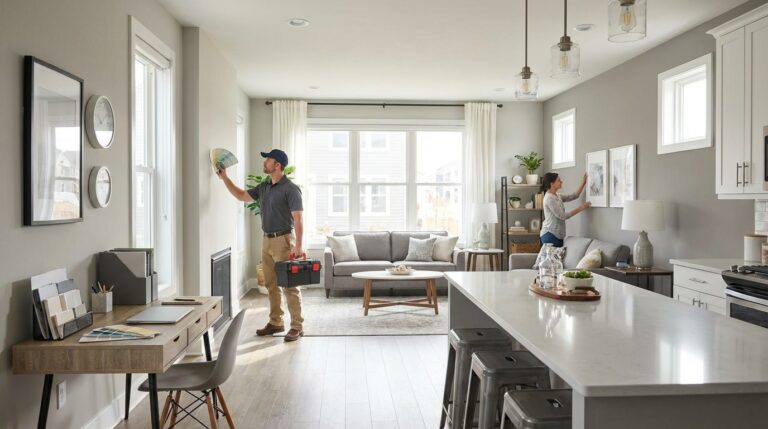
The Pre‑Listing Prep: Essential Maintenance and Repairs to Maximize Your Home Value in Q1
Selling your home in the first quarter of the year can be one of the smartest moves you make as a homeowner. Spring buyers are often already planning for a move, and homes that are ready for the market early gain visibility before competition peaks. But to truly stand out and command top dollar, thoughtful pre‑listing preparation is essential.
At Discover Properties, we understand that first impressions matter. A home that looks well‑maintained and move‑in ready appeals to buyers and positions sellers for competitive offers. This comprehensive guide breaks down the key maintenance tasks and repairs that can help you maximize your home’s value before it officially hits the market in Q1.
Why Pre‑Listing Prep Matters
The first few weeks your home is on the market are often the most impactful. Buyers form opinions within seconds of walking through the door, and real estate agents remember well‑kept properties. Taking the time to complete essential maintenance and repairs before listing not only enhances curb appeal but also minimizes costly surprises during inspections.
Market readiness isn’t just about aesthetics—it’s strategic. Properties that show well attract more interest, sell faster, and have a higher likelihood of receiving multiple offers. That’s why aligning your pre‑listing strategy with experienced guidance is a game‑changer.
Start With a Professional Home Inspection
Before your home is listed, consider scheduling a professional home inspection. This proactive step gives you a clear picture of any underlying issues that could emerge during a buyer’s inspection. With this information in hand, you can make targeted repairs on your terms instead of being caught off guard later.
A pre‑listing inspection typically identifies:
- Roof damage or aging shingles
- Plumbing leaks or outdated fixtures
- Electrical issues or outdated wiring
- HVAC performance concerns
- Foundation or structural irregularities
Addressing these issues early not only boosts buyer confidence but also demonstrates transparency—an attribute buyers appreciate. If major repairs are needed, knowing early allows you to plan financially and schedule work without market pressure.
Essential Interior Repairs and Updates
Inside the home, it’s important to focus on both function and appearance. Buyers want a space that feels fresh, clean, and move‑in ready. Here are the key interior areas to inspect:
1. Walls, Ceilings, and Paint
Neutral paint colors appeal to the broadest audience. Patch nail holes, repair cracks, and touch up worn or marked paint. A fresh coat can completely transform a room, making spaces look cleaner and larger.
If wallpaper is outdated or peeling, consider removing it. Modern buyers prefer blank walls they can envision with their own style.
2. Flooring Care
Whether you have hardwood, carpet, tile, or laminate, your floors should be spotless. Professional cleaning or refinishing hardwood floors has a high return on investment because it enhances the overall perception of quality throughout the home.
Carpet should be deep‑cleaned or replaced if stained or worn. Clean floors make an immediate and positive impact during showings.
3. Kitchen and Bathroom Updates
The kitchen and bathrooms often weigh heavily in a buyer’s decision. While a full renovation isn’t always necessary, smaller updates can dramatically improve appeal.
- Replace outdated hardware (drawer pulls, faucets, lighting).
- Re‑grout tile and recaulk tubs and sinks for a refreshed look.
- Ensure all cabinet doors and drawers operate smoothly.
- Fix leaky faucets and running toilets.
- Upgrade old appliances where budget allows.
Even small improvements in these high‑traffic areas signal that your home has been well cared for.
4. HVAC, Electrical, and Plumbing Systems
Buyers often request inspection reports for major systems. If your HVAC, electrical panel, or plumbing fixtures are outdated or showing signs of wear, consider having a licensed professional assess and repair them. Simple updates like replacing old thermostats or fixing flickering lights can enhance functionality and buyer confidence.
Strategic Exterior Enhancements
Curb appeal sets the tone before buyers even walk through your door. A strong exterior presence invites interest and can justify higher asking prices.
1. Landscaping and Lawn Care
Trim bushes, mow the lawn, edge walkways, and remove weeds. Seasonal flowers or potted plants can add a welcoming touch. Even basic landscaping upgrades signal that the home is well‑maintained.
In Q1, fresh mulch and pruned shrubs can go a long way toward improving your home’s look with minimal investment.
2. Exterior Paint and Siding
If exterior paint is chipped or faded, consider repainting. Power‑wash siding, walkways, and driveways to eliminate dirt and mildew build‑up. A clean exterior looks inviting and well cared for, and buyers appreciate the attention to detail.
3. Roof and Gutters
A visibly aged or damaged roof can be a major negotiating point for buyers. If repairs are needed, addressing them before listing can prevent price reductions later. Clean gutters and downspouts also convey good maintenance practices.
4. Entryway Enhancements
Your front door is one of the first things buyers notice. A fresh coat of paint, a modern doormat, and updated hardware can elevate the entire exterior aesthetic. Good lighting at the entry also improves both appearance and safety.
Deep Clean and Declutter for Maximum Impact
Before any showings, a deep clean is essential. A spotless home signals that it has been well cared for and allows buyers to focus on the home’s features rather than distractions. Consider hiring professional cleaners to tackle hard‑to‑reach areas, carpets, windows, and baseboards.
Clutter can make even spacious homes feel smaller. Remove excess furniture and personal items to create an open, inviting atmosphere. Packing early not only helps with staging but also moves you closer to your next chapter.
Final Touches: Staging and Photography
Once repairs and cleaning are complete, staging helps highlight your home’s best features. Thoughtful staging creates emotional appeal, helping buyers visualize themselves living in the space. Consider neutral decor, tasteful accents, and well‑placed lighting to enhance each room’s character.
Professional photography is equally critical. High‑quality photos attract more views online and draw buyers to showings. Ensure that every space is well lit and photographed from flattering angles to make your listing stand out.
Timing Your Q1 Sale for Success
First quarter home sales often benefit from less market congestion and motivated buyers ready to act before spring. With the right preparations in place, your home can capture attention early—before more listings enter the market.
A thoughtful pre‑listing plan not only enhances your home’s presentation but also gives you confidence throughout the sale process. Early preparedness allows you to price competitively, respond effectively to offers, and negotiate from a position of strength.
Partner With Local Experts for Optimal Results
Preparing your home for the market is a strategic process—not just a to‑do list. Working with a real estate professional who understands local trends and buyer expectations can make all the difference. From repair recommendations to pricing strategy and marketing, expert guidance ensures your home is positioned for success in Q1 and beyond.
If you’re thinking about selling and want personalized support to maximize your home’s value, contact us today. Our team can help you create a tailored pre‑listing plan that sets your home apart and achieves results aligned with your goals.