2026 Real Estate Forecast: Indianapolis Housing Market Predictions for Buyers and Sellers
The Indianapolis real estate market enters 2026 with compelling dynamics that will significantly impact both buyers and sellers throughout Marion County and surrounding areas. Understanding current market conditions and economic indicators provides essential guidance for making informed property decisions this year. The Metropolitan Indianapolis Board of REALTORS (MIBOR) data reveals shifting trends that distinguish this year from previous market cycles.
This comprehensive market analysis examines critical factors shaping the Indianapolis metro area’s residential real estate landscape. From mortgage rates to inventory levels, property demand to home prices, stakeholders must navigate complex market forces across neighborhoods including Downtown Indianapolis, Carmel, Fishers, Noblesville, and Westfield. These regional housing data points collectively inform strategic decisions for transactions throughout 2026.
Federal Reserve Interest Rate Policy Influences Indianapolis Mortgage Rates

The Federal Reserve’s monetary policy decisions directly impact mortgage rates throughout Indiana, with implications for housing affordability across Indianapolis and surrounding Hamilton County, Hendricks County, and Johnson County markets. Current projections from the Mortgage Bankers Association suggest gradual rate stabilization, though buyers should anticipate continued elevated borrowing costs compared to 2020-2021 levels. Conventional financing, FHA, and VA loans all reflect these national economic indicators.
Mortgage lenders in central Indiana report that pre-approval requirements have intensified, with stricter debt-to-income ratios affecting first-time homebuyers particularly. According to Fannie Mae and Freddie Mac lending standards, buyers must demonstrate stronger financial positioning than in previous years. This environment favors cash buyers and well-qualified purchasers, creating distinct advantages in competitive bidding situations across desirable neighborhoods like Broad Ripple, Fountain Square, and Mass Ave.
Indianapolis Property Values and Home Prices Show Market Stabilization
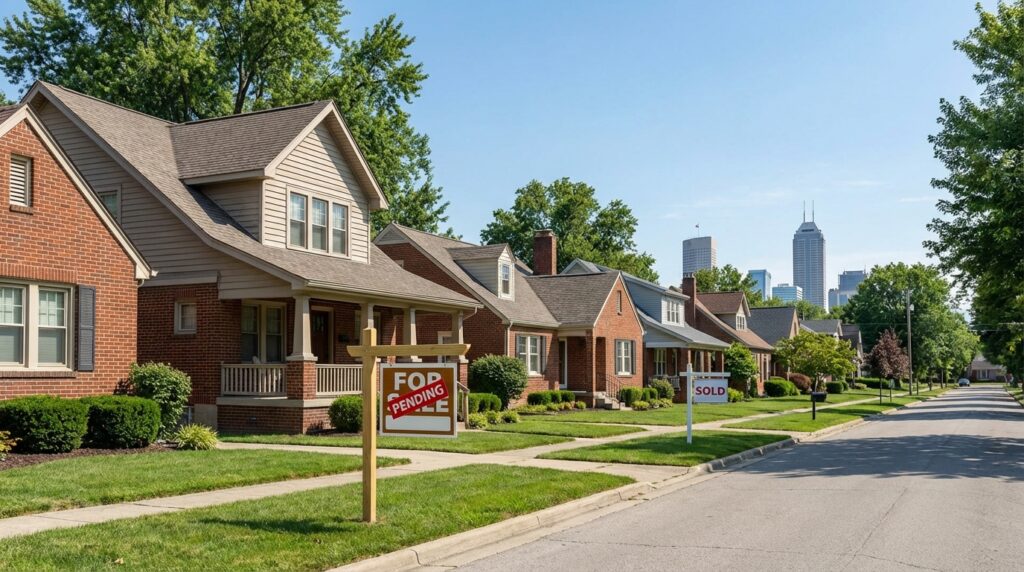
Data from Zillow, Redfin, and Realtor.com indicates that Indianapolis median home price trends demonstrate market correction following unprecedented appreciation rates during 2020-2022. The Indianapolis MLS shows price adjustments averaging 3-5% across various property types, including single-family homes, condominiums, and townhouses. Neighborhoods experiencing continued appreciation include Zionsville, Carmel, and portions of Fishers, while other submarkets show price stabilization.
The National Association of Realtors (NAR) identifies Indianapolis as maintaining relative housing affordability compared to coastal markets, attracting relocation buyers and real estate investment interest. Major employers including Eli Lilly, IU Health, Cummins, and Simon Property Group provide economic stability supporting property demand. Appraisers note that home equity positions remain strong for owners who purchased before 2022, though recent buyers face more modest appreciation expectations.
Housing Supply and Inventory Levels Define Market Conditions
Listing inventory throughout the Indianapolis metro area shows gradual improvement from historic lows, transitioning market dynamics from extreme seller’s market conditions toward greater balance. Days on market statistics reveal properties remain available longer than during peak bidding wars, with average listing durations extending from 10-15 days to 25-35 days depending on location and price point. This shift provides buyers increased negotiating leverage and reduced multiple offer scenarios.
New construction activity from major builders addresses housing shortage concerns, particularly in suburban Indianapolis communities like Westfield, Greenwood, Avon, and Plainfield. The U.S. Census Bureau reports sustained population growth in Boone County and Hamilton County real estate markets, driving continued development. However, existing homes comprise the majority of transaction velocity, with distressed properties and foreclosures remaining minimal due to strong employment figures from the Bureau of Labor Statistics.
What Should Indianapolis Buyers Expect in 2026?
Buyer market conditions favor those entering with realistic price expectations and solid financing arrangements. The competitive frenzy characterizing 2021-2022 has moderated, allowing for thorough home inspections, reasonable contingencies, and time for due diligence with title companies and escrow services. Real estate agents report sellers increasingly willing to negotiate on listing prices and contribute toward closing costs.
First-time homebuyers should explore down payment assistance programs and FHA financing options while working with experienced mortgage lenders familiar with Indianapolis neighborhood trends. Move-up buyers benefit from improved selection across price ranges, while downsizing sellers find strong demand for right-sized properties. Virtual tours and open houses provide comprehensive property evaluation opportunities without rushed decision-making pressures.
What Strategies Should Indianapolis Sellers Implement This Year?
Seller activity requires strategic pricing based on comparative market analysis rather than peak-market expectations from previous years. Properties showcasing proper home staging, enhanced curb appeal, and professional presentation attract qualified buyers in current market momentum. Working with knowledgeable real estate agents who understand local real estate market conditions across specific Indianapolis neighborhoods proves essential for optimal sale prices.
Understanding appraisal value considerations prevents transaction failures after accepted offers, as lenders maintain conservative valuation standards. Sellers should anticipate longer marketing periods and remain flexible on terms including closing timelines and inspection negotiations. Quality properties in desirable school districts and walkable neighborhoods maintain competitive advantages, particularly in up-and-coming areas experiencing gentrification and infrastructure investment supported by Indianapolis Economic Development initiatives.
| Market Indicator | 2025 Average | 2026 Projection | Impact |
|---|---|---|---|
| Median Home Price | $285,000 | $290,000 | Modest appreciation |
| Days on Market | 18 days | 28 days | More buyer time |
| Inventory Months | 2.1 months | 3.2 months | Balanced conditions |
| Mortgage Rate | 6.8% | 6.3% | Improved affordability |
Frequently Asked Questions
Will Indianapolis home prices decrease in 2026?
Indianapolis property values are expected to show modest appreciation of 1-3% rather than significant decreases. Market stabilization differs from price crashes, with strong employment and population growth supporting demand. Certain neighborhoods may experience adjustments while others continue appreciating based on local factors.
Is 2026 a good time to buy a house in Indianapolis?
2026 presents improved opportunities compared to 2021-2022, with increased inventory, reduced bidding wars, and more negotiating power for buyers. Those with strong financing and realistic expectations can find quality properties across diverse Indianapolis neighborhoods without extreme competition pressures.
Which Indianapolis suburbs offer the best investment opportunities in 2026?
Fishers, Carmel, and Noblesville continue showing strong appreciation potential due to excellent schools and infrastructure. Emerging areas like Westfield and Plainfield offer value propositions with growth trajectories. Urban neighborhoods including Fountain Square and Mass Ave attract investors seeking rental property opportunities.
How long are homes staying on the market in Indianapolis during 2026?
Average days on market have extended to 25-35 days depending on price range and location, compared to under 15 days during peak seller’s market conditions. Well-priced properties in desirable areas still sell quickly, while overpriced listings experience extended marketing periods requiring price adjustments.
What mortgage rates can Indianapolis buyers expect in 2026?
Mortgage rates are projected to range between 6.0-6.5% for conventional financing, with FHA and VA loans offering competitive alternatives. Rate fluctuations depend on Federal Reserve policy decisions and economic indicators. Buyers should consult multiple mortgage lenders to secure optimal terms.
Should Indianapolis sellers wait for better market conditions?
Sellers with compelling reasons to move should proceed with realistic pricing strategies rather than waiting for return to peak conditions. Strong employment and population growth maintain steady buyer demand. Working with experienced real estate agents ensures proper positioning regardless of broader market trends.